Exploring Eco-Friendly Yarn Shops: Your Guide to Natural Fibres Online
- Jussi Reponen
- Apr 6
- 4 min read

If you love working with yarn, you know how important it is to find quality fibres that feel good and are kind to the planet. I’ve been on a journey to discover the best eco-friendly yarn shops, especially those that offer natural fibres online. Whether you spin, knit, crochet, or weave, choosing sustainable yarns can make a big difference. Let me share what I’ve learned about finding these gems and why they matter.
Why Choose Eco-Friendly Yarn Shops?
When you pick yarn from eco-friendly shops, you’re supporting more than just your craft. You’re helping local farms, reducing environmental impact, and encouraging ethical production. Many of these shops source fibres directly from small farms or cooperatives, which means the animals are treated well, and the land is cared for.
Plus, natural fibres like wool, alpaca, and cotton are biodegradable and often more durable than synthetic options. They breathe better, feel softer, and can even regulate temperature, making your finished projects more comfortable to wear or use.
Here are some benefits I’ve noticed when shopping at eco-friendly yarn shops:
Support for local farmers and artisans
Reduced use of harmful chemicals and dyes
Transparent sourcing and production processes
Unique, small-batch yarns with character and story
Better quality fibres that last longer
If you want to make your crafting more sustainable, these shops are a great place to start.

How to Spot a Great Eco-Friendly Yarn Shop Online
Shopping online for natural yarn can feel overwhelming with so many options. But there are a few key things I look for to make sure I’m buying from a trustworthy, eco-conscious source.
1. Clear Information About Fibre Origins
Good shops tell you where their fibres come from. They often share stories about the farms or communities involved. This transparency shows they care about ethical sourcing.
2. Certifications and Standards
Look for certifications like GOTS (Global Organic Textile Standard) or OEKO-TEX. These labels mean the yarn meets strict environmental and social criteria.
3. Variety of Natural Fibres
A great eco-friendly yarn shop offers a range of fibres like organic cotton, alpaca, silk, and wool. This variety lets you choose what best fits your project and values.
4. Eco-Friendly Packaging
Sustainable shops often use minimal or recyclable packaging. It’s a small detail, but important for reducing waste.
5. Customer Reviews and Community
Check reviews and see if the shop engages with its customers. A strong community around a shop often means they’re reliable and passionate.
When I found a natural yarn shop online that ticks all these boxes, I knew I’d found a place worth returning to.

Exploring Fibre Processing Services and Local Farm Support
One of the coolest things about some eco-friendly yarn shops is that they don’t just sell yarn. They also offer fibre processing services that help local farms turn raw fleece into beautiful yarn. This kind of support is vital for small farms that might not have the resources to process their wool themselves.
For example, JK Evergreen Ranch and Driftless Woollen Mill are expanding their wool processing services to support local farms. They provide a seamless platform where farmers can manage fibre processing easily. This means more farms can participate in sustainable fibre production, and crafters get access to fresh, local yarns.
If you’re a fibre artist or hand spinner, this connection to local farms can be a game-changer. You get to work with fibres that have a story and a community behi
Tips for Buying Natural Yarn Online
Buying yarn online is convenient, but it helps to be a little savvy to get the best experience. Here are some tips I follow:
Check the yardage and weight carefully. Yarn weight affects your project’s size and feel. Make sure it matches your pattern or idea.
Order a small sample or swatch if possible. This helps you see the colour and texture in person before committing to a big purchase.
Read the care instructions. Natural fibres often need gentle washing and drying. Knowing this upfront saves surprises later.
Ask about dyeing methods. Natural dyes are a bonus if you want to keep your project eco-friendly.
Look for bundles or kits. Some shops offer curated kits that include everything you need for a project, making shopping easier.
By keeping these in mind, you’ll enjoy your yarn and create beautiful, lasting pieces.
Why Supporting Local Farms Matters in Fibre Arts
Local farms are the heart of natural fibre production. When you support them, you’re helping preserve rural livelihoods and traditional farming practices. This is especially important as industrial farming and synthetic fibres dominate the market.
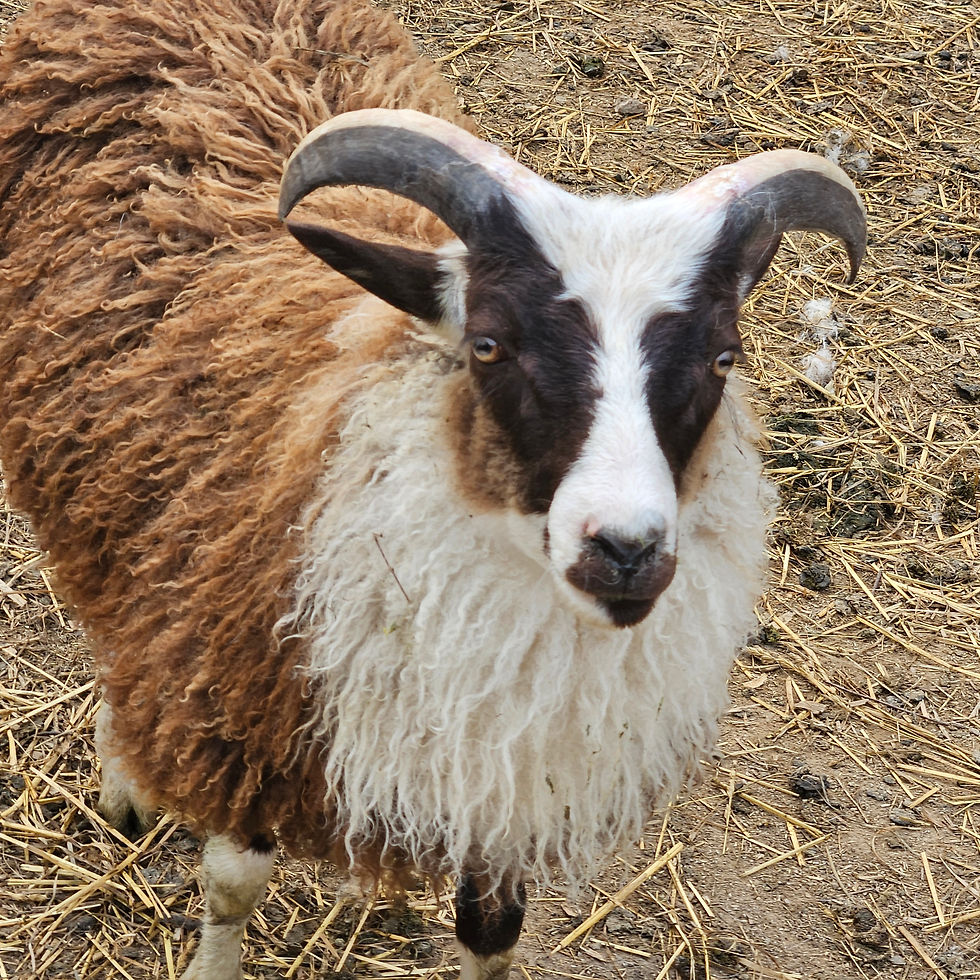
Small farms often raise heritage breeds of sheep or alpacas that produce unique fibres. These fibres have qualities you won’t find in mass-produced yarns. Plus, local farms tend to use more sustainable land management practices, which benefits the environment.
By choosing yarn from shops that work closely with local farms, you’re investing in a cycle of care for the animals, the land, and your craft.
Your Next Steps in Exploring Natural Yarn Shops
Ready to dive into the world of eco-friendly yarn? Start by exploring shops that prioritise natural fibres and ethical sourcing. Don’t hesitate to reach out to shop owners or farmers to learn more about their processes. Many are happy to share their stories and tips.
If you’re interested in fibre processing or want to support local farms directly, look for services like those offered by JK Evergreen Ranch and Driftless Woollen Mill. They’re building a community where fibre artists and farmers connect and thrive.
Remember, every skein of yarn you buy is a choice. Choosing natural, eco-friendly yarn means you’re crafting with care for the planet and the people behind the fibres.
Happy crafting!


Comments